
Last updated November 16, 2026
 Wrought iron
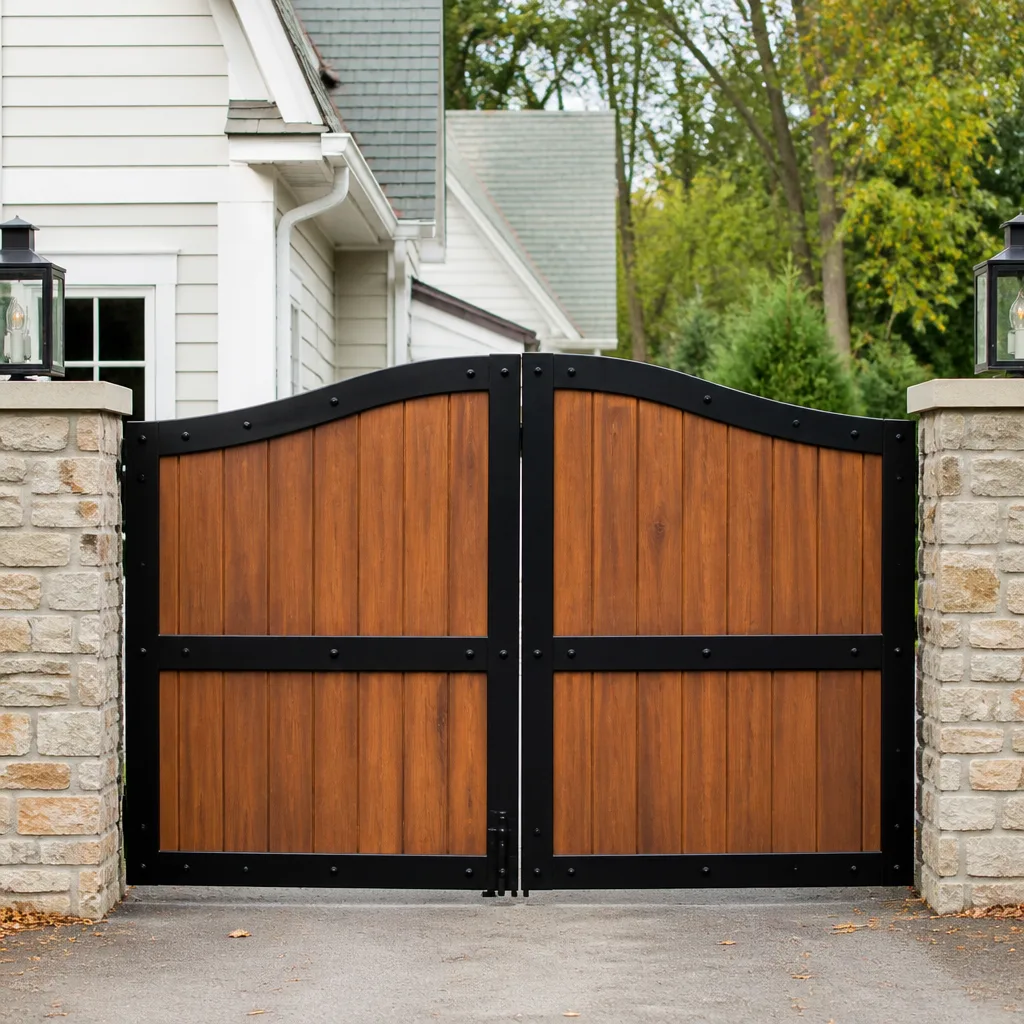 Wood & steel frame
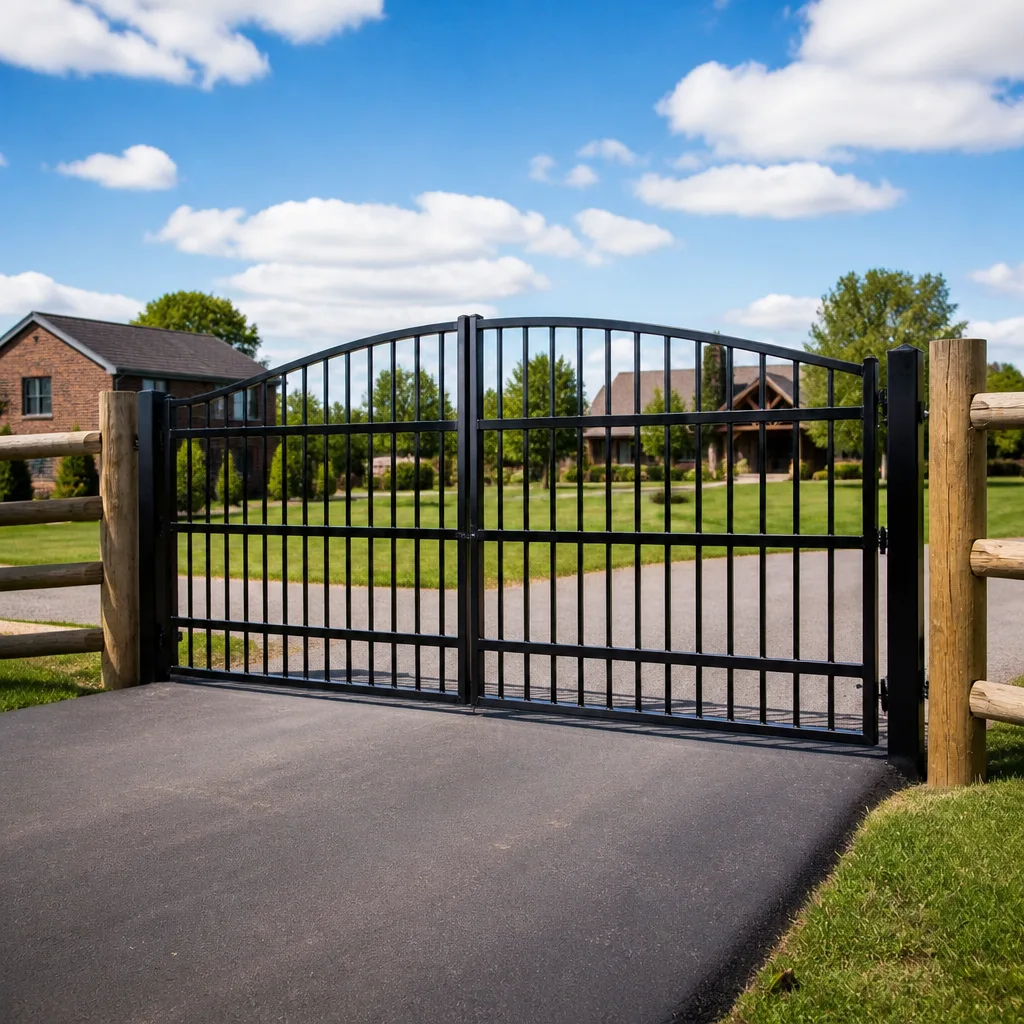 Farm & ranch
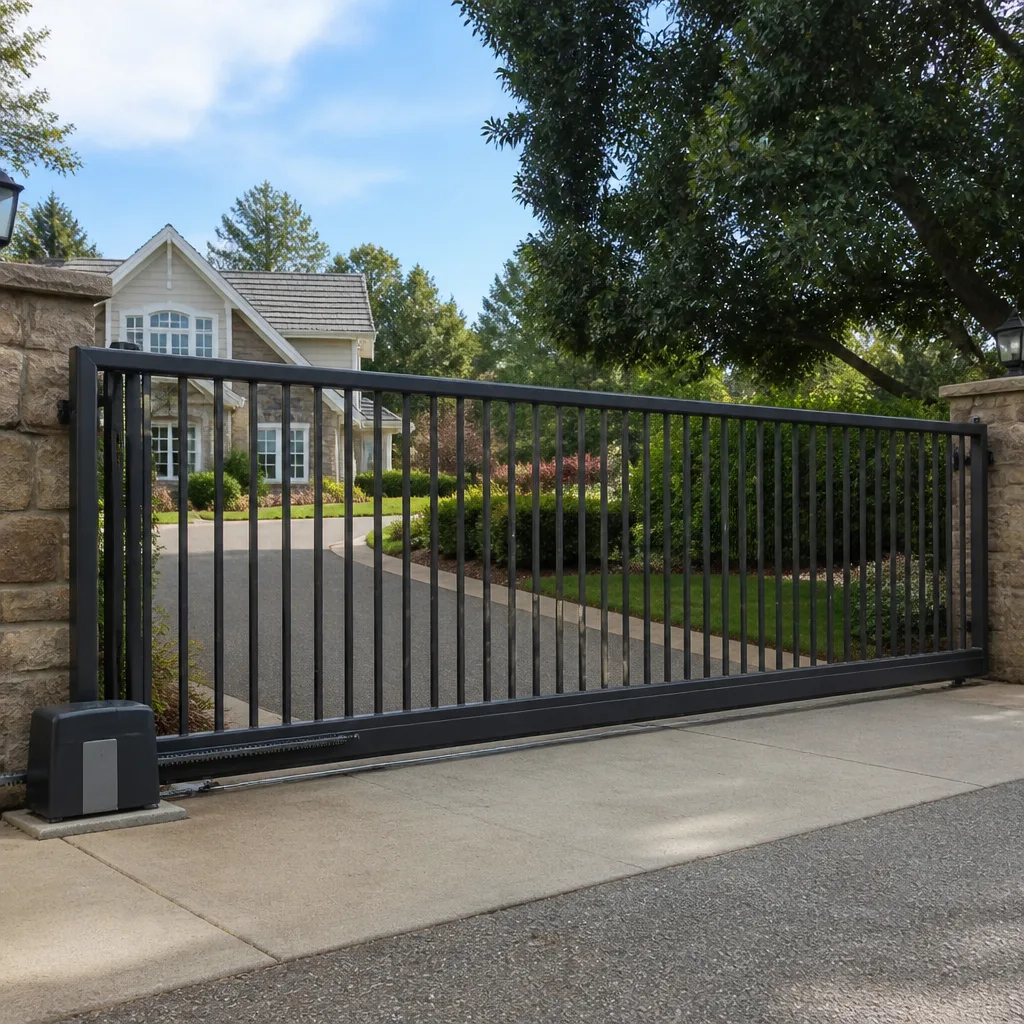 Sliding driveway gates
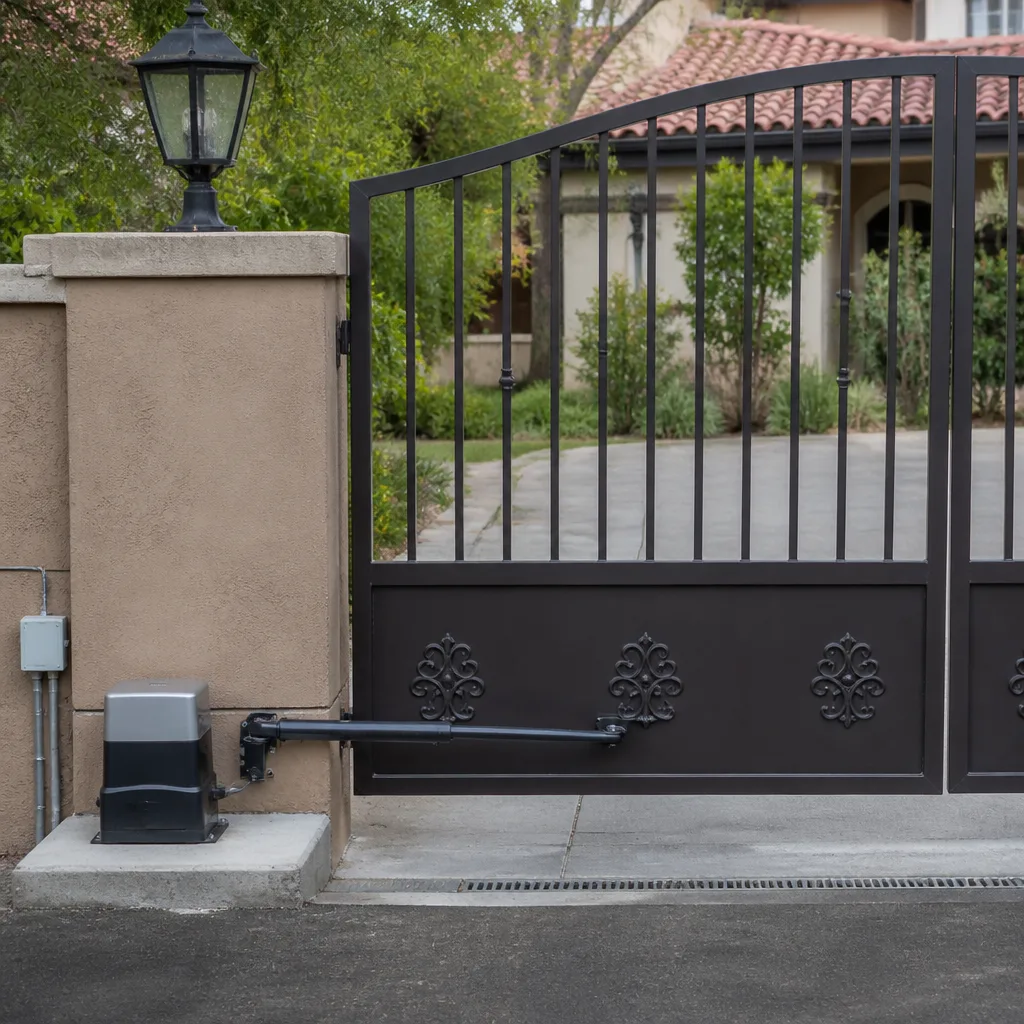 LiftMaster operators
Free on-site gate assessment - hinges, posts, and your LiftMaster or Nice gate operator checked before anything is quoted
The assessment is free and the quote is the invoice.
Get your free estimateThe Complete Guide to Gate Repair in Paradise
Most people assume a gate that won’t open has an operator problem. Often it doesn’t. In Paradise, the majority of gate failures we diagnose trace back to the ground the gate is sitting on, the sun that beats down on it, or a replacement part that was never going to fit the system it went into. The operator is frequently just the messenger. This guide maps every common gate failure to its real cause, explains which components the desert wears out first, and walks through how to decide whether your gate needs a repair or an honest conversation about redesign. If you own or manage a property in Paradise, it’s the difference between one service call and five.
Styles & brands we work with
- Wrought iron
- Wood & steel frame
- Farm & ranch
- Sliding driveway gates
- LiftMaster operators
Quick Answer
In Paradise, NV, gate repair typically involves one of three root causes: post movement from caliche-heavy soil, UV and heat degradation of seals, wiring, and finishes, or a replacement part that doesn’t match the original system. Diagnosing the actual cause before touching the operator is what makes a repair last. A written estimate should tell you what’s being fixed and why, and the price is quoted and agreed before any work starts.
Table of Contents
- Why Gates Fail Differently in Paradise
- Caliche Soil and the Post-Lean Problem
- What Desert Sun and Heat Do to Gate Components
- Repair or Redesign? How to Tell Before You Spend
- Why Parts Matching Matters More on Automated Gates
- A Repair Priority Hierarchy for Multiple Problems
- How Electric Gate Diagnostics Actually Work
- What Routine Care Looks Like in the Desert
- Common Mistakes to Avoid
- When to Call a Professional
- Frequently Asked Questions
Why Gates Fail Differently in Paradise
A gate installed in Paradise lives a harder life than the same gate installed almost anywhere else. The combination of intense solar load, wide daily temperature swings, and soil that behaves more like concrete than dirt produces failure patterns you don’t see in milder climates. Understanding those patterns is the whole game.
Here’s what we mean by temperature swing. A metal gate can get extremely hot in direct afternoon sun, then cool sharply after sunset. That cycle repeats constantly. Metal expands and contracts with it. Fasteners loosen. Painted surfaces crack at the stress points. Seals harden and lose their flexibility. Wiring insulation gets brittle and starts to fail at the bends.
Now add the soil. Paradise sits on ground where caliche is common – a cemented layer that resists moisture, expands and contracts with wetting and drying, and moves posts far more than loose soil does. A post sunk into that ground doesn’t settle evenly. It shifts. And a post that shifts takes the whole gate with it.
These two forces – the sun above and the soil below – account for most of the gate failures we see on properties around Paradise. The operator gets blamed because it’s the part that makes noise. But if the gate is dragging, binding, or stopping halfway, the operator is usually just struggling against a mechanical problem upstream of it.
That’s the core insight of this guide: in Paradise, you diagnose the ground and the sun before you ever open the control box.
Caliche Soil and the Post-Lean Problem
Caliche is a layer of calcium carbonate that bonds soil particles together into something closer to rock. It’s common throughout the desert Southwest, and in Paradise it’s the single most underdiagnosed cause of gate trouble. A post set into caliche can look perfectly fine at the base while the top has drifted an inch or more off vertical. Swing gates then bind against the strike post. Slide gates drag against the track. Operators strain against resistance they weren’t designed for and eventually trip on overload.
The frustrating part is that a lean of an inch is nearly invisible to the eye. You feel it long before you see it. The gate catches. The operator hesitates. Someone adjusts the hinges or the limit switches and it works again – for a while. Then it fails again, and the next adjustment doesn’t hold either.
How to tell if post movement is your real problem
- Open the gate fully by hand, with the operator disengaged if it has one, and watch whether it swings freely or binds at a specific point.
- Look down the length of the gate from one end and check whether the gap between gate and post is even at the top and bottom.
- Place a level against the post on two faces and compare.
- Check whether the gate has started scraping the ground or the track at one end only.
- Note whether the binding gets worse after rain or after a stretch of hot, dry weather.
If the binding changes with the weather, the ground is moving. That’s a foundation issue, not a hardware issue, and adjusting hinges won’t fix it. The post has to be reset or the gate re-hung. In Paradise, that means digging into caliche to proper footing depth, not just patching the surface.
What Desert Sun and Heat Do to Gate Components
UV exposure and heat cycles age gate components the way years of use would elsewhere. The parts that go first are predictable, which is good news: you can check them before they fail.
- Seals and gaskets. Rubber seals on the operator and around the control enclosure harden, crack, and stop sealing. Once they fail, dust gets in, and dust is what kills control boards.
- Wiring insulation. The outer jacket of low-voltage loop wiring and safety-sensor cable gets brittle in the sun, especially where it flexes. A cracked jacket means moisture and grit reach the conductor.
- Painted surfaces. Paint on gate frames and posts cracks at welds and stress points. Once bare metal is exposed, it corrodes faster here than in a humid climate because the surface stays hot and dry between brief exposures to rain.
- Plastic and rubber components. Remote housings, photo-eye lenses, and grommets all degrade. Lenses cloud and the safety sensors start misreading.
- Batteries. Heat shortens the life of backup batteries in the operator and in access-control units. A battery that would last years in a mild climate may not get close to that in Paradise.
The smart approach is to check these wear points on a schedule that matches the climate, not the calendar. In Paradise that means a look at seals, wiring, and finish at least once a year, and a battery check every season. Small replacements now beat a control board replacement later.
Repair or Redesign? How to Tell Before You Spend
This is the question that saves homeowners real money. Not every sick gate can be fixed, and not every gate that can be fixed should be. The distinction is about whether the problems are isolated or systemic.
Signs a gate is a repair candidate
- One specific fault, everything else works
- Operator is matched to the gate and to the duty cycle it actually sees
- Posts are plumb or can be brought back to plumb
- Parts for the operator are still available
- The gate frame and hinges are sound
Signs a gate is a redesign candidate
- Repeated failures at different points after each repair
- Operator undersized for the gate weight, length, or how often it opens
- Post movement that has recurred after being reset
- Control system and safety equipment that no longer match current hardware
- Multiple component failures in the same season
The honest test is simple: if you’ve paid to fix the same category of problem more than twice in a short period, the gate is telling you the design is wrong for the site. That’s not a repair problem. Resetting posts on caliche, or replacing mismatched hardware with the right system, is often less expensive than continuing to chase a problem. Getting a proper on-site estimate before spending another repair dollar is the right move.
If you’re unsure which side of the line you’re on, our team at gate repair can look at the whole system and tell you honestly.
Why Parts Matching Matters More on Automated Gates
On a manual gate, a replacement part that’s close enough often works fine. A hinge is a hinge. On an automated gate, close enough is not good enough, and the consequences of a mismatch are much bigger.
Every automated gate system is a chain of components working together: the operator motor, the control board, the limit switches, the safety sensors, and often loop detectors and access equipment. Each of those parts has a specific spec. Put in a component that doesn’t match, and the system either won’t work properly or works unpredictably. A safety sensor that triggers late or early can cause phantom reversals. A limit switch that doesn’t travel the expected range can send the gate hard into a stop. A motor that’s roughly the right size but not exactly right will run hot and fail early.
This is where brand-agnostic expertise matters. We carry and work with parts for systems from electric gate repair systems across nine brands, including BFT, Linear, and Viking. But the goal is never to push you toward a brand we happen to carry. The goal is to match the part to the system you already own, to the manufacturer’s spec, so it behaves the way the control board expects.
In Paradise, that matching discipline matters even more because the heat amplifies every mismatch. A motor running slightly hotter than it should because of a small parts mismatch will fail faster here than it would elsewhere. Same principle for seals and wiring. Right part, right spec, right fit.
A Repair Priority Hierarchy for Multiple Problems
When a gate has three issues at once, the order you fix them in determines whether the repair holds. Fix a control board before the underlying mechanical problem is resolved, and the new board fails the same way. Here’s the hierarchy we work from.
- Safety first. Anything that could let the gate close on a person or vehicle gets fixed before anything else. That includes safety sensors, safety edges, and any malfunction that overrides them.
- Structural and mechanical. Posts, hinges, tracks, gate frame. If the gate is binding or leaning, nothing downstream will work reliably regardless of what you replace.
- Power and wiring. A marginal power supply or degraded wiring causes intermittent faults that look like control board issues. Confirm it’s delivering what the operator needs.
- Operator and control system. Motor, control board, limit switches. These get attention after the chassis and power are sound, because they’re the parts that get wrecked by problems further upstream.
- Access and convenience. Remotes, keypads, access control, loop detectors. Once the gate is mechanically sound and the operator is running correctly, this layer is straightforward to configure.
In Paradise, we usually reverse-engineer that list from the symptom: what the gate is actually doing when it fails, then work back up the hierarchy to find the cause. That’s why a diagnostic visit matters more than a list of parts. It’s also why a gate that keeps getting treated for control-board issues without checking the post lean never really gets fixed.
How Electric Gate Diagnostics Actually Work
Electric gate diagnosis isn’t guesswork, and it isn’t swapping parts until the gate works. It’s reading the system. In Paradise, the electric side of the gate is exactly where generalists tend to struggle, because so many of the symptoms are produced by the environment rather than the electronics.
The diagnostic sequence
- Confirm the gate moves freely by hand with the operator disengaged. If it doesn’t, the problem is mechanical and you stop here.
- Confirm power quality and check the operator’s error indication or fault log.
- Test the safety sensors and safety edges individually. Safety faults look exactly like board faults from the outside.
- Check the loop detector if the property has one, and check the wiring to it for UV damage.
- Test the limit switches and travel range against the actual gate position.
- Test the remote and access-control inputs.
- Only now consider the motor and control board, and only after everything upstream checks out.
Our technicians have up to experience on systems from LiftMaster, FAAC, BFT, Linear, Viking, Ghost Controls, DoorKing, Elite, and Mighty Mule, and they’re trained specifically on the control boards, loop detectors, and safety sensors that fail most often. That focus matters, because “the board is bad” is the most common misdiagnosis there is. Nine times in ten, the board is fine. The fault is a sensor, a wiring fault, or resistance from a gate that’s fighting itself.
What Routine Care Looks Like in the Desert
There’s no maintenance plan you have to buy here – it’s simply a matter of knowing what the climate wears out fastest and checking it on a realistic schedule. A one-time visit after we look at the gate is how we price any care work, and that price is set in writing before we start.
- Seals and gaskets on the operator and the control enclosure, checked yearly
- Wiring insulation at flex points, checked yearly
- Gate finish at welds and stress points, touched up as soon as bare metal shows
- Post plumb checked after any stretch of unusual weather
- Operator backup battery checked seasonally
- Safety sensors cleaned and tested at each check
Most of that is visual inspection you can do yourself. What you can’t easily do is interpret it – a hinge that looks fine but has worn past tolerance, or a wiring fault that hasn’t yet failed completely. That’s what a professional check catches. It’s also how you avoid the cycle of three adjustments before someone finally notices the post is leaning.
Common Mistakes to Avoid
- Adjusting the operator to compensate for a lean. If the post has moved, cranking up the operator’s force setting or widening the limit range just forces it to fight the problem until something breaks.
- Replacing the control board first. A new board fails the same way if the real fault is a safety sensor or a binding gate. Test the sensors and the gate’s free movement before spending on electronics.
- Using the wrong replacement part because it’s close. On an automated gate, spec matters. A part that “should work” puts strain on the whole system, and desert heat makes that strain worse.
- Ignoring the ground. In Paradise, caliche soil moves posts. No amount of hinge adjustment fixes a gate that’s out of plumb because the post shifted.
- Patching the finish instead of protecting the metal. Once paint cracks at a weld, bare metal in the desert sun corrodes quickly. A quick cover-up looks fine until it doesn’t.
- Treating safety sensors as a nuisance. People often bypass a sensor that keeps triggering. That’s a serious safety failure, and it’s also a symptom you need diagnosed, not disabled.
- Paying for repairs without a written estimate that explains the cause. If nobody can tell you why the part failed, the repair is likely to repeat.
When to Call a Professional
Call a professional before you start changing parts when your gate behaves unpredictably. That means a gate that reverses on its own, a gate that binds at a specific point, an operator that trips or stalls without an obvious cause, or a gate that has recurring problems despite repairs. Also call if your gate has been damaged – a post hit by a vehicle, a gate knocked off its track, or a control enclosure damaged by weather. These are not jobs to solve by trial and error, particularly where safety sensors, power wiring, and the operator’s mechanics are concerned; heavy panels can crush, and a slide gate off its track is genuinely dangerous. Gate Repair Paradise offers free estimates in Paradise – call (844) 834-1647. Our technicians have up to experience, and we’ll tell you what the actual cause is, in writing, before any work starts.
Frequently Asked Questions
The most common cause we find is post movement from caliche soil, followed closely by UV and heat degradation of seals, wiring, and finish. In many cases a gate that “won’t open” has a mechanical binding problem caused by a post that has shifted out of plumb. Call (844) 834-1647 for a free estimate – we’ll identify the actual cause first.
Open the gate by hand with the operator disengaged. If it binds at a specific point, that’s a mechanical problem from post lean or hinge wear, not the operator. If it moves freely but the operator still fails, the operator or its control system is the more likely cause. Getting a professional diagnosis settles it quickly.
Parts keep failing when the part doesn’t match the original system’s spec, or when the underlying cause hasn’t been fixed. On automated gates, tight spec matching matters because every component in the system expects the others to behave in a specific way. The heat in Paradise makes any mismatch fail faster. Call (844) 834-1647 for an exact quote – estimates are free.
Repair if the problem is isolated and the operator, posts, and frame are sound. Redesign if failures recur after each repair, the operator is undersized for the gate, or the post keeps moving after being reset. A professional on-site estimate is what tells you which you’re facing, and the price is quoted in writing before any work starts.
Yes. We work on the brand you already have, not the brand we prefer to sell – including systems from LiftMaster, FAAC, BFT, Linear, Viking, Ghost Controls, DoorKing, Elite, and Mighty Mule. Call (844) 834-1647 and we’ll book a visit around your schedule.
Once a year for seals, wiring, and finish, plus a seasonal battery check on the operator. Post plumb should be checked after unusual weather. Our technicians have up to experience and can do a careful inspection as a one-time visit, priced in writing per job. Call (844) 834-1647. We answer 24/7. Fast dispatch from 7am to 7pm, Sunday through Friday.
The Bottom Line
In Paradise, gate problems are mostly misdiagnosed because the operator gets blamed for a ground or a sun problem. Read the gate before you start changing parts: check whether the post is plumb, whether the gate binds by hand, and whether any replacement part truly matched the original spec. Fix the mechanical issues from the ground up, in the order that protects your system, and you’ll stop the repeat-service cycle. If you’re facing a gate with several issues at once, Gate Repair Paradise works on the brand you already have, on properties all over Paradise, with a free written estimate before any work starts.
We work across systems from BFT, Linear, Viking, Ghost Controls, and five other major gate brands, and every part we use is chosen for your gate, not ours. If your gate is acting up, call (844) 834-1647. We answer 24/7. Fast dispatch from 7am to 7pm, Sunday through Friday.
Written by the team at Gate Repair Paradise.
See the difference
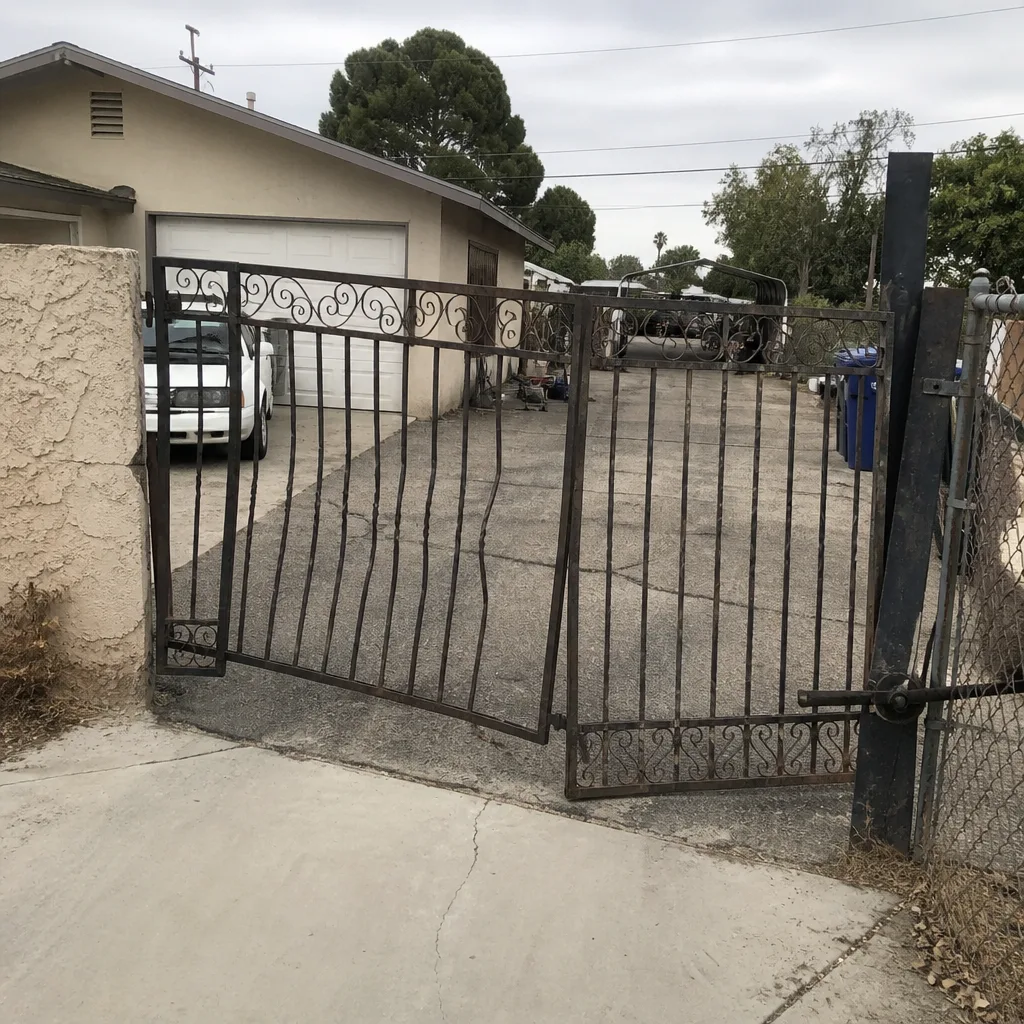 Before
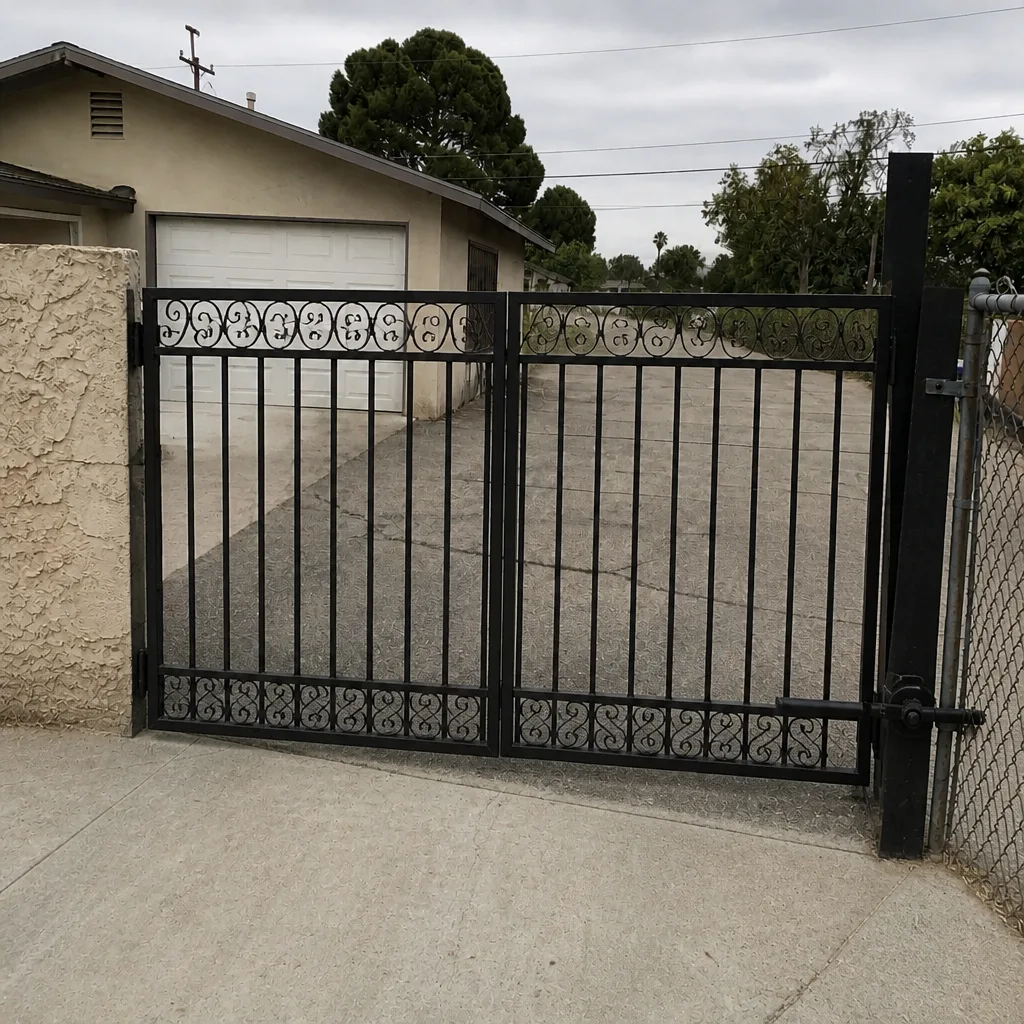 After
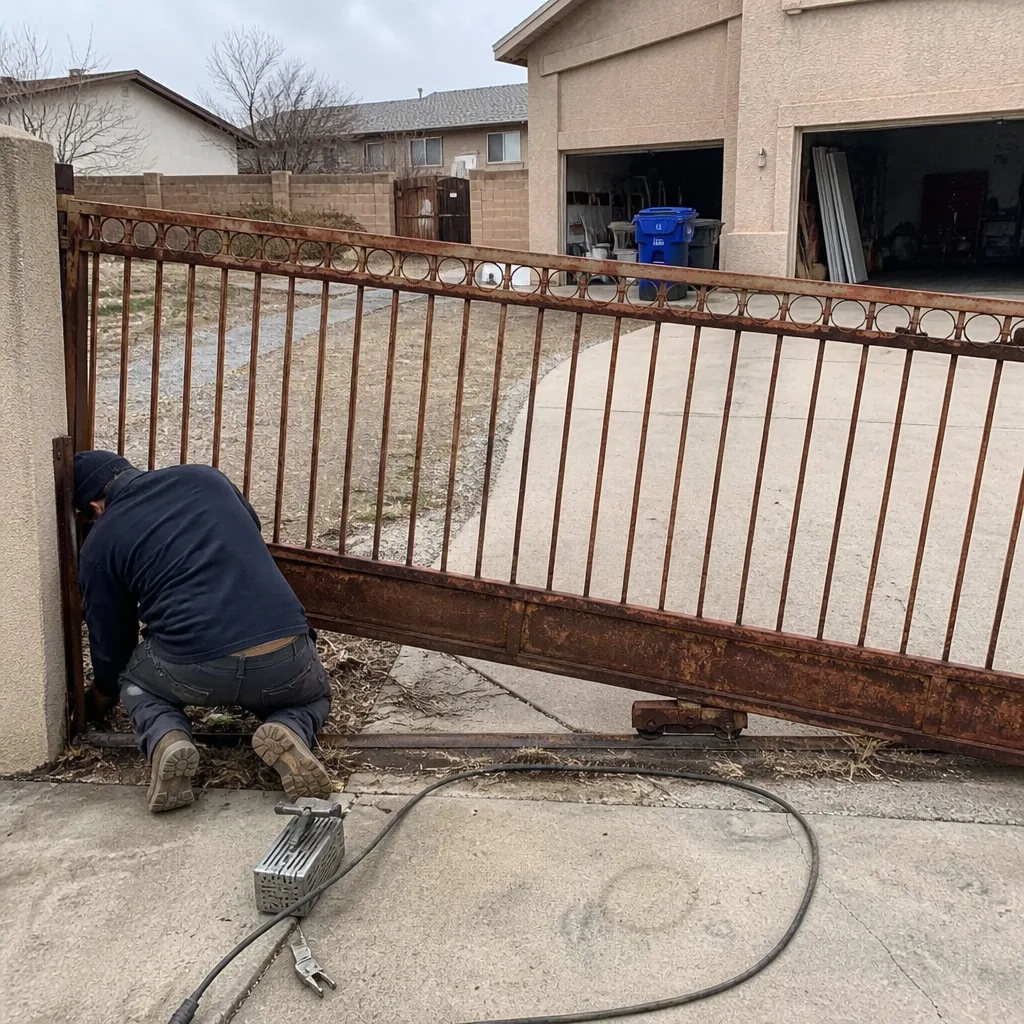 Before
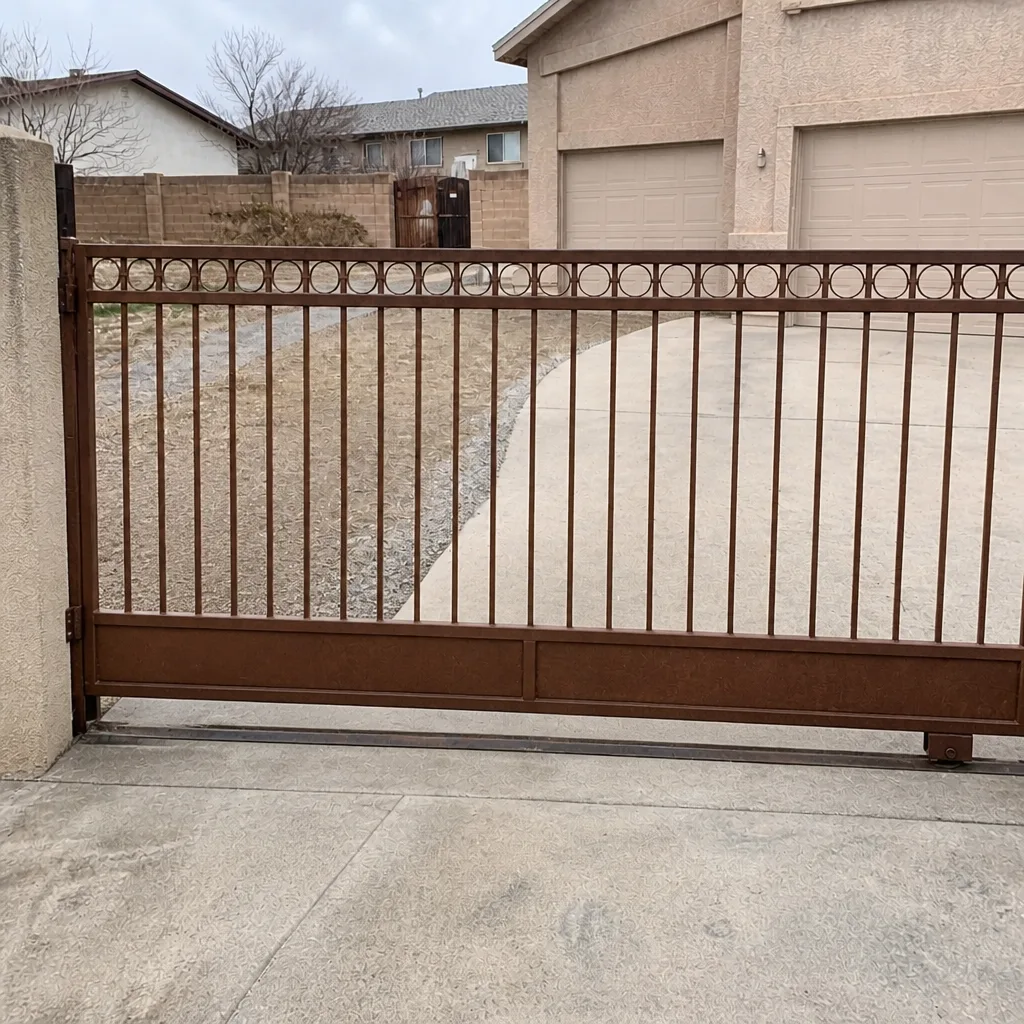 After
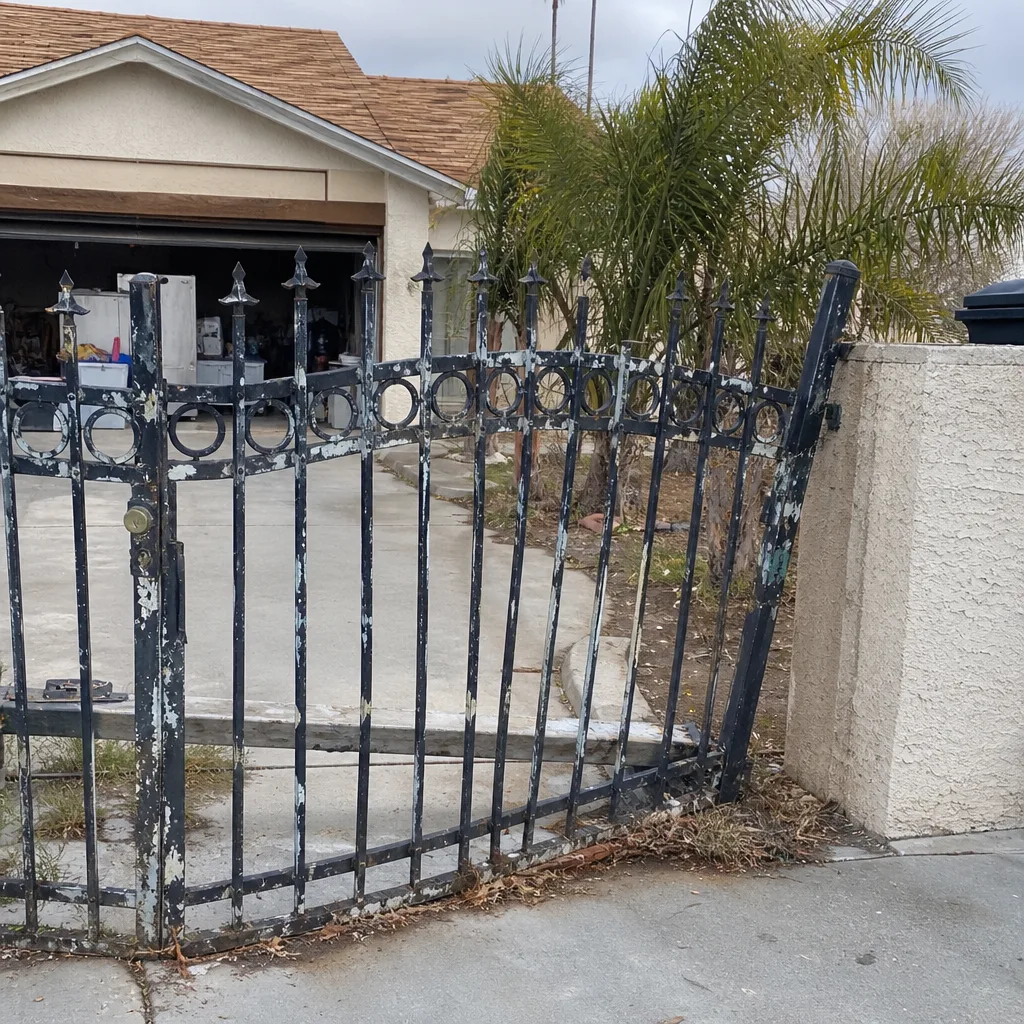 Before
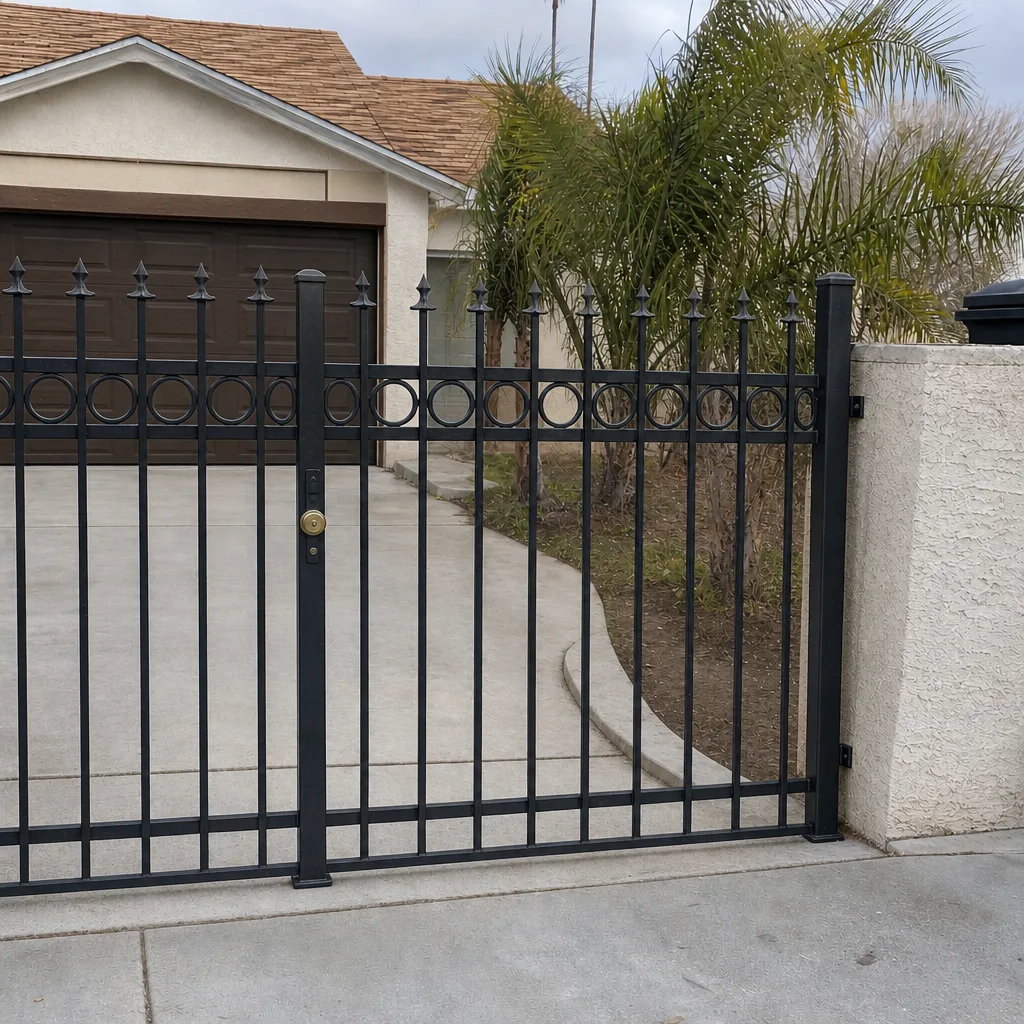 After