
Last updated November 16, 2026
 Wrought iron
 Wood & steel frame
 Farm & ranch
 Sliding driveway gates
 LiftMaster operators
Free on-site gate assessment - hinges, posts, and your LiftMaster or Nice gate operator checked before anything is quoted
The assessment is free and the quote is the invoice.
Get your free estimateGate Repair Troubleshooting in Paradise: Common Problems and How to Fix Them
A gate that reverses before it closes isn’t broken. It’s communicating. That reversal is the safety system doing its job, and a surprising number of calls we take end with a technician wiping a photo-eye lens, cleaning a loop, or clearing a spider web from a sensor housing. On the other side of the ledger, a gate that sits dead and silent after you press the remote usually points somewhere else entirely: a tripped breaker, a cooked transformer, or a control board that lost its memory. Homeowners guess at fixes and buy parts they don’t need. In this guide we’ll walk you through how a gate specialist reads symptoms in Paradise, sorting failures into mechanical, electrical, and obstruction categories before touching anything. You’ll learn what’s safe to check yourself and what to leave alone.
Quick Answer
Most gate failures in Paradise fall into five root causes: safety-sensor obstruction, loop detector trouble, operator or control-board fault, mechanical binding at the hinge, wheel, or rack, and the summer heat tripping a motor’s thermal overload. A gate that won’t open and a gate that opens but won’t close almost never share a culprit. Reading which category your symptom belongs to before you call saves diagnostic time and money. Call (844) 834-1647 for a free estimate once you know what you’re looking at.
Styles & brands we work with
- Wrought iron
- Wood & steel frame
- Farm & ranch
- Sliding driveway gates
- LiftMaster operators
Table of Contents
- How do you read a gate’s symptoms before calling anyone?
- Why won’t my gate open at all?
- Why does my gate open but refuse to close?
- Why does Paradise heat cause gate operator cutouts?
- How do you test a gate loop detector without a meter?
- What mechanical problems cause a gate to drag or stick?
- Which gate resets are safe to try yourself?
- Common Mistakes to Avoid
- When to Call a Professional
- Frequently Asked Questions
How do you read a gate’s symptoms before calling anyone?
Start by sorting the problem into one of three families: mechanical, electrical, or obstruction. A trained gate technician in Paradise does this in the first two minutes of an on-site estimate, and you can do most of it from the driveway. The goal is not to fix anything yet. The goal is to notice patterns.
Mechanical signs show up in how the gate physically moves. Listen for grinding at the hinge, a wheel skipping on its track, or a rack gear that rides up and off the pinion. A mechanical problem usually appears gradually, over days or weeks. The gate gets sluggish, then starts stopping twice before it commits.
Electrical signs show up at the operator. The gate doesn’t respond to the remote, the control board has no lights, or the arm motor hums without moving the gate. Electrical failures tend to happen suddenly, not gradually.
Obstruction signs are the most common and the easiest to miss. The gate reverses mid-travel, stops short, or reopens a few seconds after you close it. In Paradise, dust, loose gravel, a shoe, or a sensor lens fogged by heat will all cause the same behavior: the gate is doing exactly what its safety system tells it to.
Before scheduling a service visit, walk the gate’s full path with the power on. Watch where the gate hesitates. Reach under the swing and look for debris. Wipe the photo-eyes with a soft cloth. Note whether the gate reverses at the same spot every time or at random. That single observation tells a specialist more than a dozen questions over the phone.
Three families of failure, one quick test each
- Mechanical: with the operator disengaged (use the manual release key you were given at install), push the gate open and closed by hand. If it fights you, you have mechanical binding.
- Electrical: press the wall control or remote and watch the operator’s diagnostic LEDs. No light means power is not reaching the board. Blinking patterns mean the board is running through a fault code.
- Obstruction: clean the photo-eye lenses and clear the loop zone, then cycle the gate three times. If the symptom disappears, you had an obstruction, not a failure.
If your gate is electric, we handle the check under electric gate repair and can tell you on the visit which category you’re in without charging for guesses. If it’s manual, our gate repair service covers hinge, latch, and structural work.
Why won’t my gate open at all?
A gate that will not open has almost always lost power, lost its command signal, or come up against a physical lock. “Won’t open” is rarely a mechanical failure; if the operator has voltage and no obstruction, it will try to move. The task is to find out why it’s not trying.
Work through these in order and stop as soon as you find the answer:
- Check the building’s breaker. Gate operators are usually on a dedicated breaker in the panel, sometimes with a small disconnecting switch near the operator. A tripped breaker means something downstream is drawing too much current, and that’s the real fault.
- Check the operator’s own fuse and power LED. Some boards have a small blade fuse and a power indicator that stays lit whenever the board sees voltage.
- Check the remote and the wall control separately. A dead remote battery and a failed receiver look identical from behind the wheel. If the wall control opens the gate but the remote doesn’t, you have a remote or receiver issue, not an operator issue.
- Check the safety edge or photo-eye alignment. On many operators a misaligned safety device will stop the gate from moving in either direction, not just closing.
- Check for a mechanical lockout. Manual swing gates sometimes have a latch pin or a padlock that has been left engaged. Slide gates can jam on their track at the same position on every cycle.
If you own a FAAC or BFT slide operator, the manual release on the housing lets you move the gate by hand. That single test separates a board problem from a mechanical jam in about 30 seconds. If the gate rolls freely by hand, the operator is at fault. If it dragged before you could push it, the slide track or the pinion is the problem.
One more thing worth knowing: many operators in Paradise sit in landscape zones where irrigation heads spray across the housing. Water intrusion at the low-voltage terminals is one of the most reliable causes of “the gate was fine yesterday and dead today.” If you see standing water or a fresh sprinkler hit on the housing, shut the breaker off and call for a visit.
Why does my gate open but refuse to close?
A gate that opens fine but won’t close is a completely different diagnosis. This behavior almost always points to a safety input the operator is reading as “obstruction present.” The operator is doing exactly what it’s designed to do. It refuses to close because something is telling it the path isn’t clear.
The usual suspects, in order of likelihood:
- Photo-eye obstruction or misalignment. The two lenses on either side of the gate must see each other constantly. A blade of grass, a cobweb, or a lens shifted by heat expansion will break the beam.
- Loop detector misfire. A vehicle loop under the driveway that has lost its tuning, has a long crack running through it, or is picking up a nearby moving object will hold the gate open indefinitely.
- Safety edge contact. The rubber edge on the leading edge of the gate has a small electrical strip inside. If it has a nick or a broken wire, the operator reads it as a permanent obstacle.
- Reverse-limit drift. The travel limits on the operator have shifted slightly, so the gate thinks it’s hitting something at the return point.
If you have a Linear or Viking swing operator, most of these have LED fault indicators on the control board. Two quick blinks followed by a pause might tell you “photo-eye obstruction,” while three blinks might indicate “no signal from the loop detector.” Compare the blink pattern against your operator’s quick-reference card at the panel. If the card is missing, a specialist can decode the pattern on-site.
The “won’t close” category is exactly where the Gate Repair Paradise specialty pays for itself. A general handyman will swap a control board when the real problem is a $4 photo-eye. We work on the brand you already have and match the fix to the actual fault.
Three-second test to narrow “won’t close”
- Hold the safety-beam path clear with a piece of cardboard and press close. If the gate closes, the beam was blocked.
- Disconnect and re-seat the loop leads at the operator. If the gate closes, the loop’s tuning has drifted.
- Press and hold the wall control’s close button continuously. If the gate closes while held but not in normal mode, you’ve confirmed a safety-input hold, not an operator failure.
Why does Paradise heat cause gate operator cutouts?
When the outdoor temperature pushes above 115°F, gate operators in Paradise go into thermal protection. The motor has a built-in temperature switch that cuts power when the winding reaches its rated ceiling. From the outside, it looks like the gate is dead, or like it opens halfway and then stops. Fifteen to forty-five minutes later it works again, seemingly on its own.
You can confirm a thermal cutout without a meter if you’re willing to watch the timing. Note how long the gate has been in direct sun before each failure. Note how many cycles it completed before stopping. Note how long it took to recover. If the intervals are consistent, and if the failures cluster in the hottest part of the afternoon, thermal protection is the most likely cause. Motors in shaded enclosures rarely do this. Motors in full western sun do it routinely.
Thermal cutouts are not something to solve by taping over the sensor or wrapping the motor in a blanket. That approach burns out motors, and it can turn a $200 fix into a board-level repair. What actually helps:
- Shade the operator enclosure. A small shade panel or a piece of landscape cloth over the housing lowers the internal temperature by a meaningful margin. Keep airflow to the vents.
- Reduce consecutive cycles. Long lines of vehicles at one time in the afternoon pull more cycles than the motor is rated for on a 115°F day.
- Check that the vents and fan are clear. Dust and cobwebs block the internal fan on many operators. A blowout with compressed air at the housing helps.
- Have the motor’s thermal rating and duty cycle checked. Some older operators were never rated for the cycle count that a Paradise property manager needs. Replacing the head unit is sometimes the honest answer.
If you’re seeing this pattern and your operator is a Linear or a FAAC, the fix is usually a combination of shading and a duty-cycle review. We can tell on a site visit whether a new operator is warranted. Learn more about how we handle this in Paradise.
How do you test a gate loop detector without a meter?
You can test a vehicle loop detector with a car, a stopwatch, and about ten minutes. The vehicle loop under the driveway is a coil of wire embedded in the concrete that detects the metal mass of a car above it. Every time a car parks over the loop, the detector should read “present” and hold the gate open. When the car leaves, the detector should read “clear” and let the gate close.
Run this test in order:
- Park a car squarely over the loop. Leave it running. Note the time.
- Watch the gate. Within two seconds, the gate should stop closing if it was closing, and stay open. If it does nothing at all, the loop is not detecting.
- Drive the car off, then start your stopwatch. Count the seconds until the gate begins to close. A normal exit delay is a few seconds. A delay of 30 seconds or more, or a gate that never closes, means the detector is stuck on “present.”
- Park a different car over the loop. Repeat. If one vehicle triggers detection and another doesn’t, the loop coil or the detector’s sensitivity setting is marginal.
- Walk a bicycle or a child’s wagon over the loop. A well-tuned loop should ignore them. A loop that reacts to a bicycle is too sensitive and will misfire on passing vehicles.
The most common loop failure we see in Paradise involves the saw-cut line across the driveway. Concrete expands and contracts across the seasons, and a hairline crack running into the saw-cut can pull the wire. The gate then either reads phantom traffic constantly or reads nothing at all. Detector sensitivity can sometimes be re-tuned at the board to compensate, but a compromised loop usually needs to be re-cut and re-sealed.
What a stopwatch tells you that a meter won’t
A meter gives you a number at one moment. A stopwatch gives you a behavior pattern across cycles. If the gate closes at 5 seconds on a cool morning and 45 seconds at 3pm on a hot day, you don’t have a failing detector; you have a heat-affected board that needs to be inspected. The stopwatch catches drift that a single meter reading misses.
What mechanical problems cause a gate to drag or stick?
Mechanical problems are usually slow-developing, and they usually announce themselves with noise. A gate that has begun to drag, scrape, or shimmy did not develop the behavior overnight. Something has worn, loosened, or shifted, and the fix is on the gate itself, not the operator.
The mechanical failures we see most on Paradise properties:
- Hinge wear on swing gates. The hinge pin and bushing wear together over thousands of cycles. A worn hinge makes the gate sag, and a sagging gate drags its leading edge on the ground or against the strike post.
- Wheel and track wear on slide gates. The gate’s rollers flatten or seize. The track builds up gravel, dirt, or leaves. Together, the gate starts jumping.
- Rack-and-pinion misalignment. The gear rack on a slide gate runs along the gate body; the pinion gear sits on the operator. If the rack drifts even a quarter inch, the pinion rides up and strips teeth.
- Post movement. Hinge posts and operator posts migrate with soil movement, especially after a monsoon-season soak. A gapped hinge post makes the entire gate swing unevenly.
- Latch and striker wear. The latch plate takes an enormous amount of impact over time. A worn latch means the gate rattles and eventually won’t hold closed, which the operator reads as an incomplete cycle.
To narrow the mechanical symptom, use the manual release. On a swing gate, disengage the arm and push the gate through its full swing. If it binds, the hinge or the ground is the issue. On a slide gate, disengage the operator and roll the gate by hand along its track. A smooth roll means the operator is at fault. A rough roll means the gate needs adjustment first.
Never adjust hinge height by shimming under the post while the operator is still engaged. That forces the arm motor to compensate for a mechanical bind, and it wears out the motor’s gear train faster than any other mistake. Disengage first, diagnose, then re-engage.
Which gate resets are safe to try yourself?
Some resets are homeowner-level. Others put your safety devices at risk or damage the board’s memory. The dividing line is simple: if the reset changes the operator’s stored limits, force settings, or board state, leave it to a technician. If the reset just re-establishes communication with the remote or re-seats a signal, it’s safe.
Safe to try:
- Replacing remote batteries and re-pairing a new remote using the operator’s pairing button (the process is documented in your operator manual).
- Power-cycling the operator by turning its disconnect switch off, waiting thirty seconds, and turning it back on. Many boards recover from a transient fault this way.
- Cleaning photo-eye lenses and re-aligning them by hand so the beam is unobstructed.
- Clearing debris from the loop zone and from the gate’s travel path.
- Resetting a wall control or keypad by following the manufacturer’s documented procedure.
Leave to a technician:
- Force-limit adjustments. Every operator has a force setting that tells the gate how hard to push before reversing. Turning that setting up is the single most common way homeowners accidentally disable the gate’s obstruction-safety feature. Gates that push hard enough to hurt an adult or a child are a serious safety problem.
- Board-level resets on certain Viking and LiftMaster models. Some boards require a specific button sequence to reset without permanently wiping stored limits, and hitting the wrong combination can leave the operator in a state that requires a factory re-initialization.
- Travel-limit reprogramming. Changing the open and close limits affects both the mechanical end-of-travel and the safety reversal points.
- Any adjustment involving the safety edge, photo-eyes, or loop wiring. If you disconnect a safety device to prove a symptom, you have to know how to safely re-engage it, and the operator should be tested end-to-end before it’s put back into service.
If you’re unsure which category a reset falls into, stop and call. A free estimate is cheaper than a new control board. Our gate repair service includes an operator safety review on every visit so you know the gate will reverse when it should.
Common Mistakes to Avoid
- Turning up the force limit to get a dragging gate to close. A binding gate isn’t fixed by making the motor push harder; it’s fixed by finding the bind. Raising the force setting to mask the problem disables the safety reversal and wears the operator out in weeks. In Paradise’s summer heat, that wear compounds into full operator replacement.
- Spraying the operator housing or control board with a garden hose. The motor is out in the sun and looks caked with dust. Spraying it to “cool it off” is one of the fastest ways to short a control board. Blow it out with compressed air instead, and shut the breaker off first.
- Cutting a new notch in a rack gear to “fix” a strip. When a rack-and-pinion slide gate strips a tooth, cutting or grinding a new notch helps temporarily and damages the pinion on the next pass. The right fix is realignment of the rack to the pinion, not a notch.
- Assuming a dead gate is a dead board. In our experience, a large share of “dead board” calls end with a tripped breaker or a blown fuse. A board is the last thing to replace, not the first. Confirm power at the operator before you buy a control board.
- Disconnecting the safety edge to stop nuisance reversals. A safety edge that trips constantly is doing its job; that behavior is a sign of a damaged edge strip or a loose wire. Disconnecting it leaves the gate running without its primary protection for the next person who walks through.
- Ignoring a slow hinge creak through monsoon season. Paradise’s summer storms bring wind and moisture into hinge bushings. A creak that sounds trivial in May becomes a rusted, seized hinge by September if not addressed. Once it seizes, the swing arm carries the extra load and the operator takes the damage.
- Buying a replacement operator from a general retail partner. The model you find at a home retail partner may not be rated for the cycle count, the gate weight, or the electrical service your gate actually has. An operator that is undersized for the job will fail again inside a season.
When to Call a Professional
Call a gate specialist when the symptom involves the operator’s control board, the safety devices, or the motor itself. Also call when the gate won’t move at all after checking power, when a loop detector behaves erratically, or when you see repeated thermal cutouts. Call before adjusting force limits, travel limits, or any board setting on a Viking or LiftMaster unit. Call before replacing a control board on a guess. And call when a gate has physically shifted, when a hinge post has moved, or when a slide gate has jumped its track.
Gate Repair Paradise offers free estimates in Paradise. Our technicians have up to experience, we work on the brand you already have across nine major gate and operator brands, and we quote the price in writing before any work starts. Call (844) 834-1647. We answer 24/7. Fast dispatch from 7am to 7pm, Sunday through Friday. If you’d rather read more first, our electric gate repair page covers what a diagnostic visit includes.
Frequently Asked Questions
Gate repair in Paradise is quoted per job after an on-site estimate, and the written price is agreed before any work starts. Small fixes like a sensor alignment or a hinge adjustment sit at the lower end; a control-board replacement or operator motor repair sits higher. There’s no fixed service-call fee on top; the estimate is free. Call (844) 834-1647 for an exact quote.
Yes, same-day service is often possible for gate repairs in Paradise. We answer 24/7 and dispatch Sunday through Friday, 7am to 7pm. A call outside dispatch hours is booked into the next opening. Call (844) 834-1647 and we’ll tell you the soonest slot.
The most likely cause is a safety input the operator is reading as an obstruction: photo-eye misalignment, a stuck loop detector, or a damaged safety edge. The operator is doing what it’s designed to do. Clean the photo-eye lenses first, then test the loop with a car and a stopwatch. If neither resolves it, call (844) 834-1647 for a diagnostic visit.
Thermal cutout is the likely cause. Gate motor windings have a temperature ceiling, and when the housing reaches it in Paradise’s 115°F-plus afternoons the operator cuts power until the motor cools. The gate recovers on its own within 15 to 45 minutes. If the pattern repeats day after day, have the operator’s duty cycle and ventilation checked before the motor overheats for good.
A loop problem involves the gate holding open when no vehicle is present, or closing while a car is still over the loop. A photo-eye problem involves the gate reversing on close even with the path clear. Park a car over the loop and time the gate’s response; if the gate detects correctly, the loop is fine and the photo-eye is the more likely fault.
We service LiftMaster, FAAC, BFT, Linear, Viking, Ghost Controls, DoorKing, Elite, and Mighty Mule systems. We’re independent and brand-agnostic, so the goal is the right fix for the system you already own, not a push toward a new brand. Call (844) 834-1647 for an estimate.
The Bottom Line
Read the symptom before you buy a part. A gate that opens and won’t close is telling you something about its safety inputs. A gate that won’t open is telling you something about power. A dragging gate is telling you about a hinge, wheel, or rack. A gate that quits in the afternoon heat is telling you about thermal protection. Sorting the failure into mechanical, electrical, or obstruction takes a few minutes and saves you a diagnostic fee and a wrong-part trip. Leave force limits, board resets, and travel limits to a technician. Gate Repair Paradise stands ready across Paradise with free estimates and a gate-only focus. Call (844) 834-1647 to book a visit.
Written by the team at Gate Repair Paradise.
See the difference
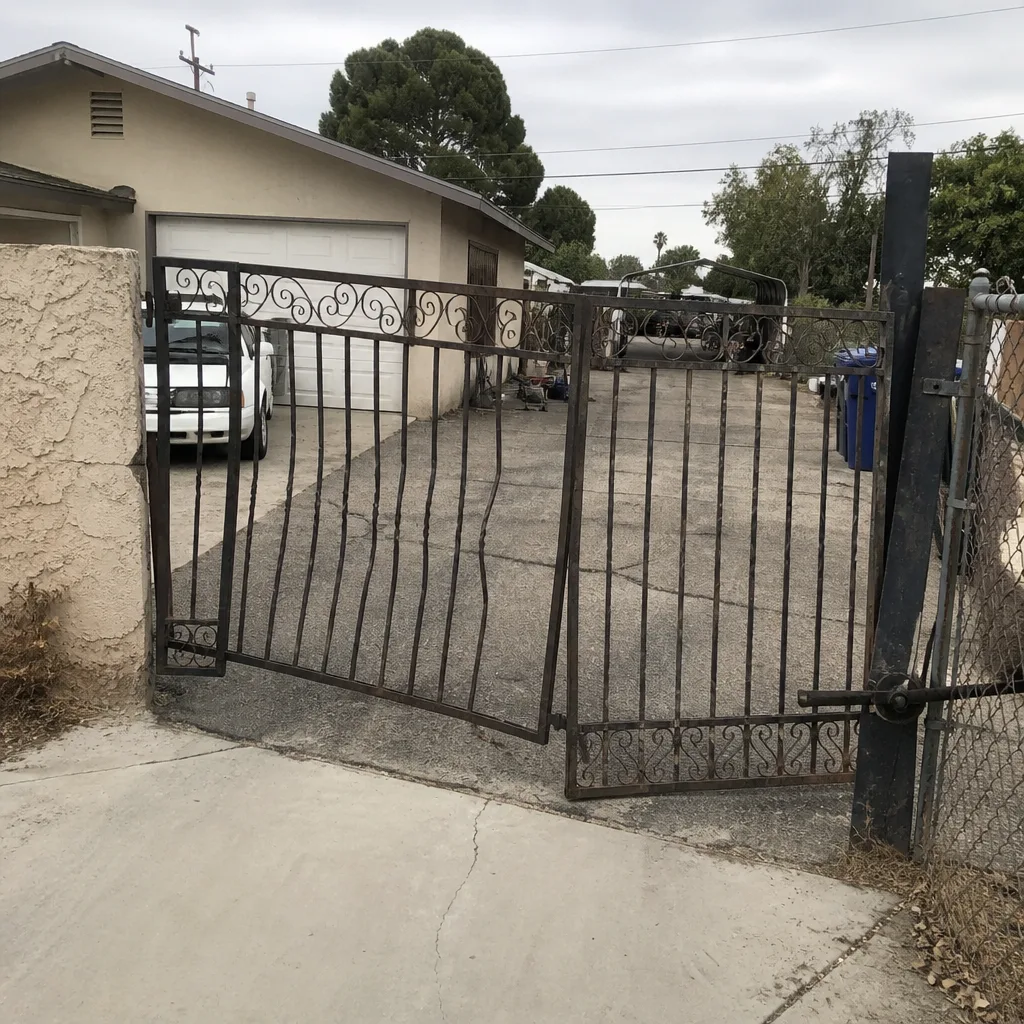 Before
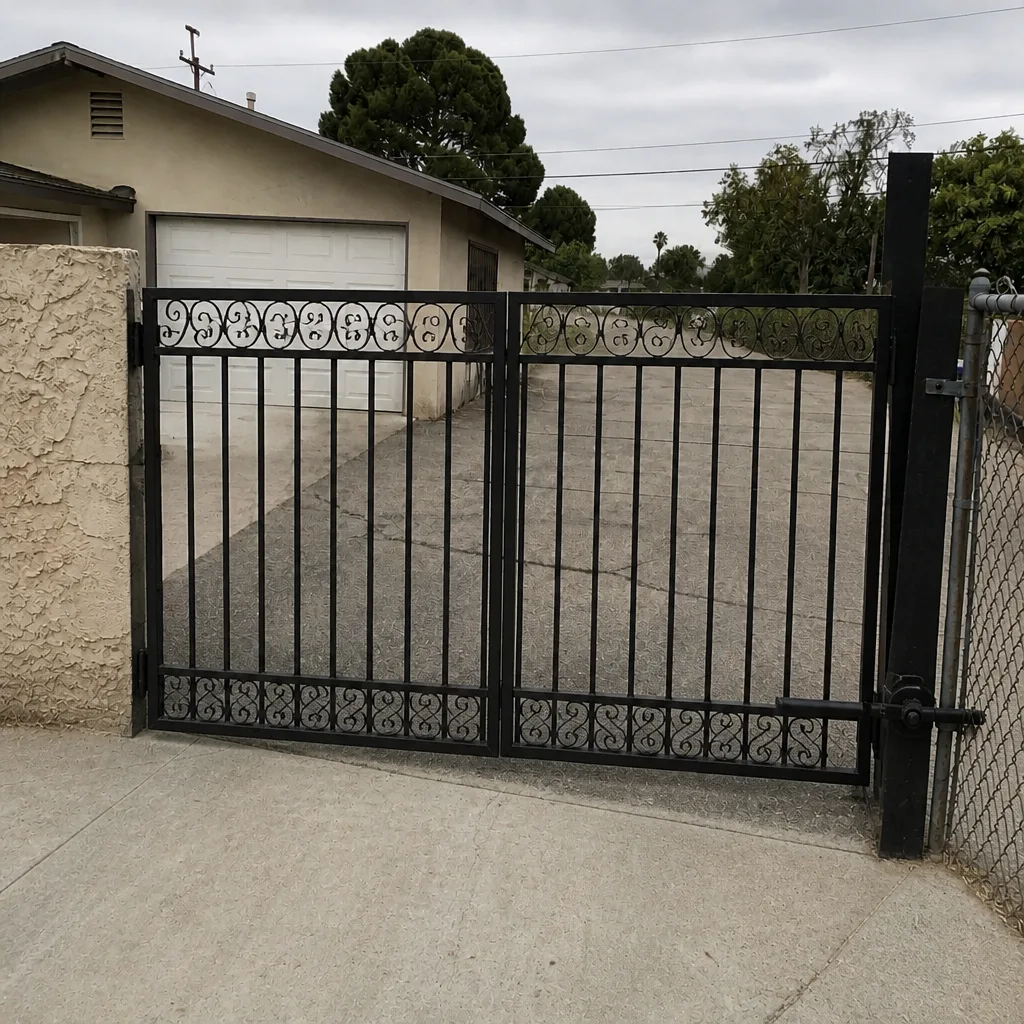 After
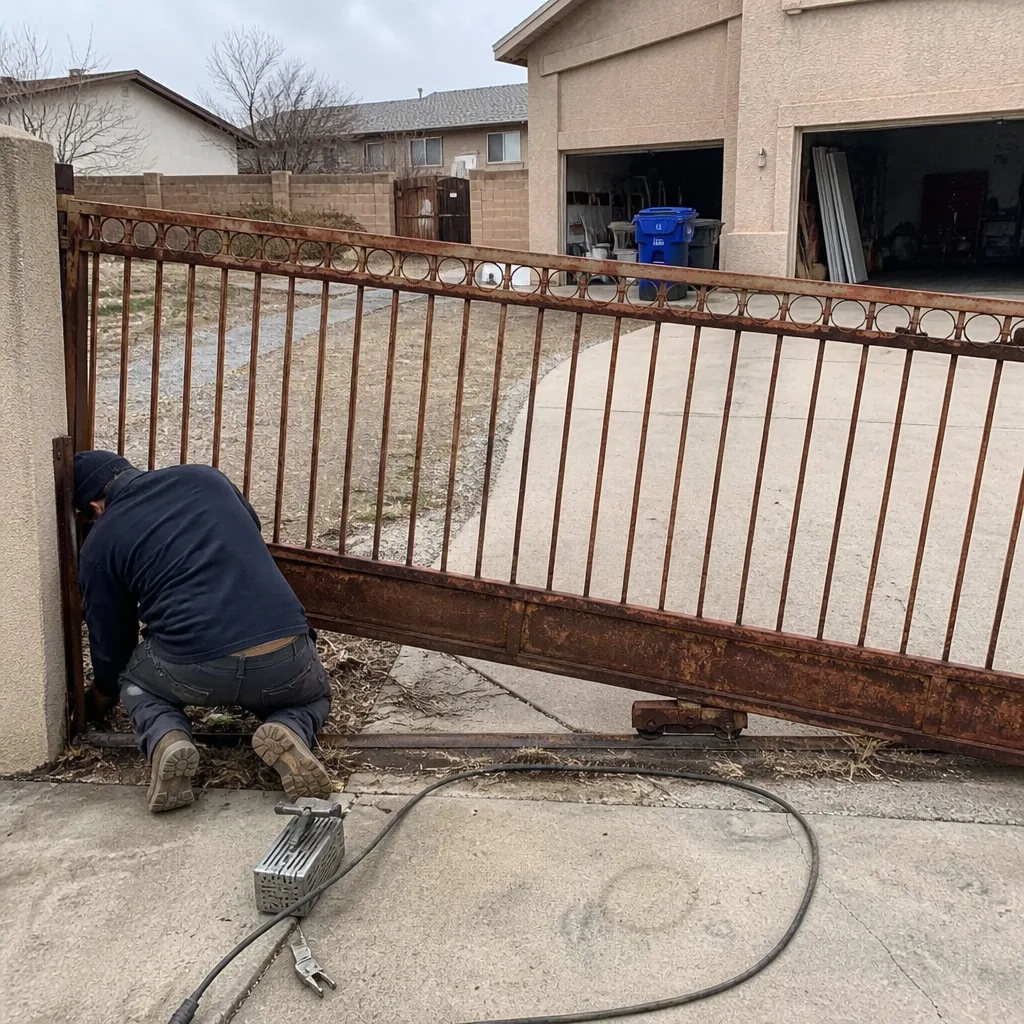 Before
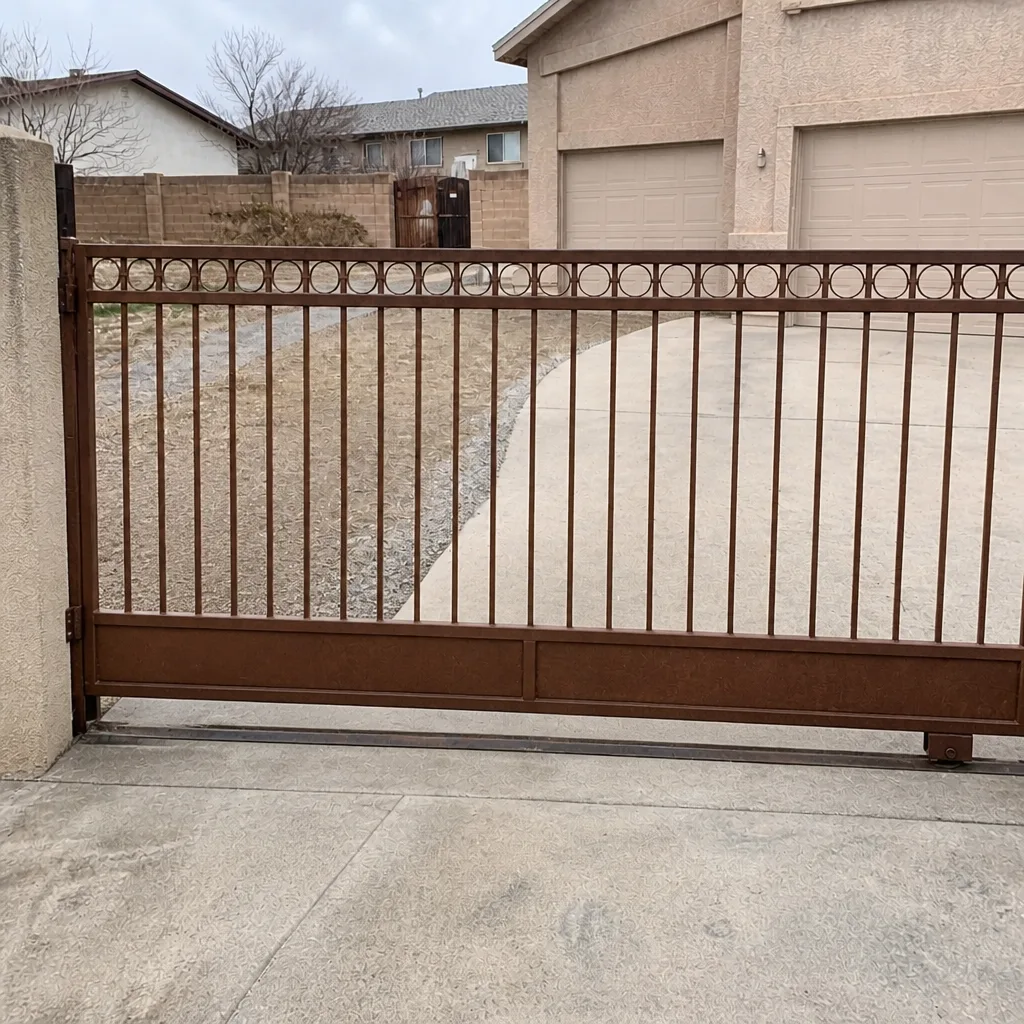 After
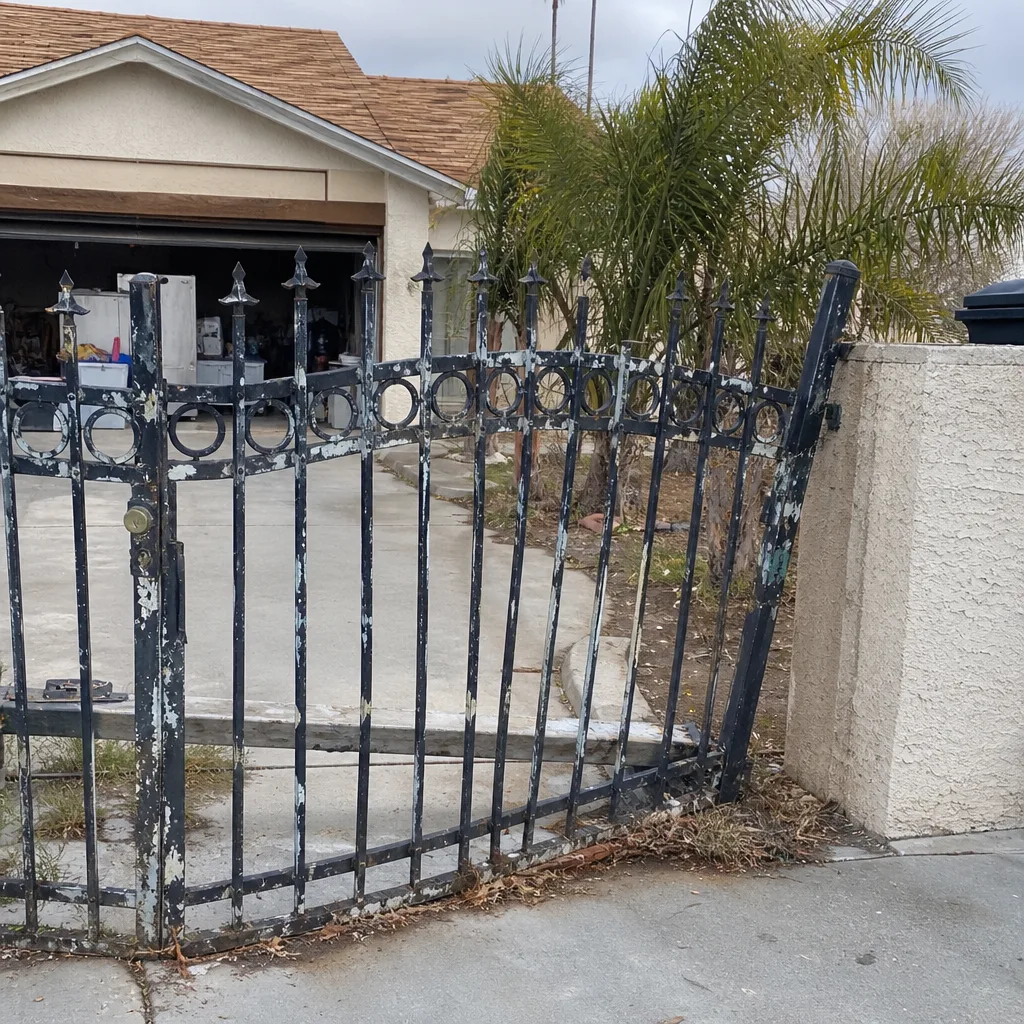 Before
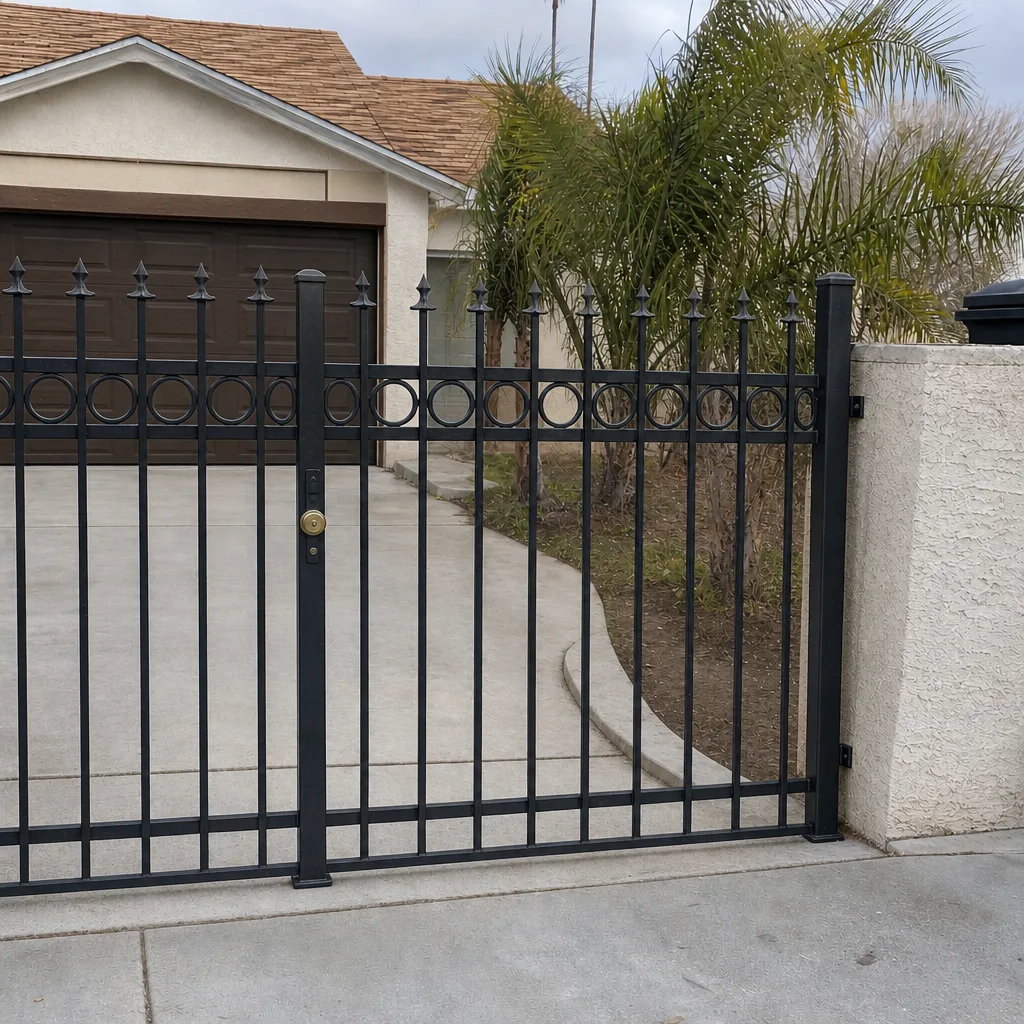 After